
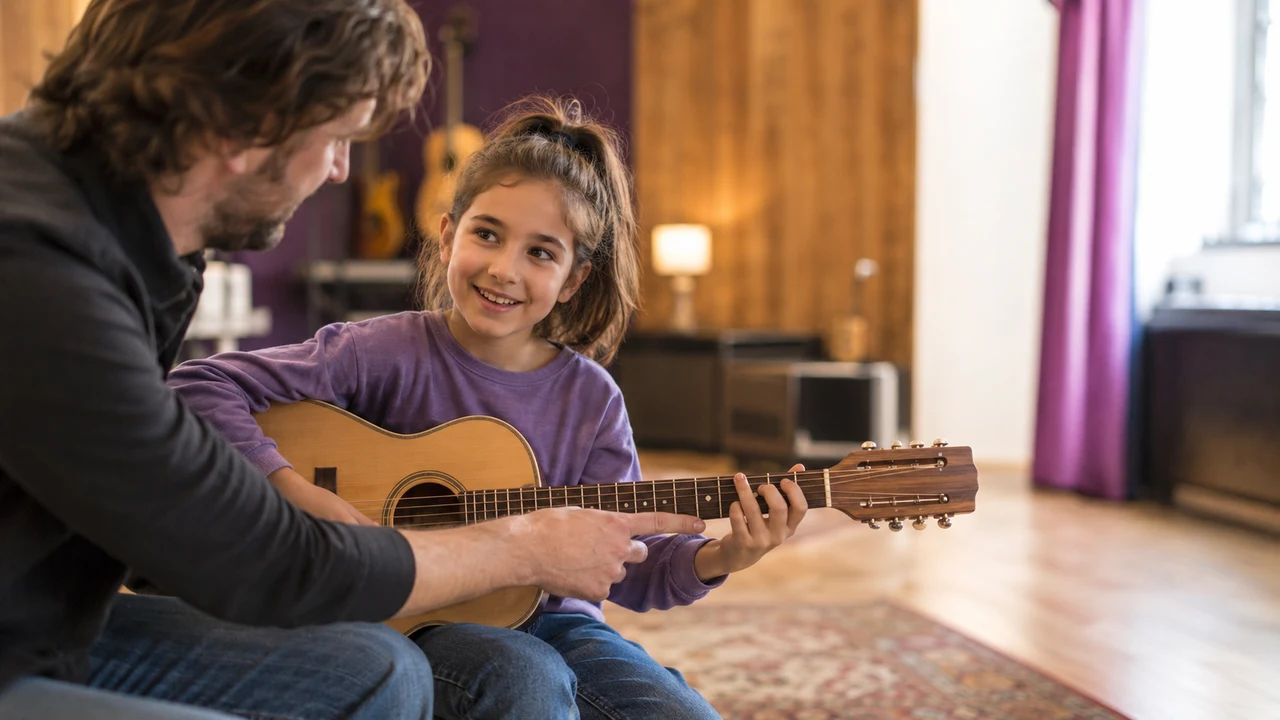
Small moments often reveal when a young musician is ready for more. Maybe your son keeps tapping out beats, or your daughter notices every guitar part in a song. Interest like that deserves attention because it often points to real motivation.
Learning feels easier when lessons match a student’s pace and personality. Guitar lessons in La Verne, CA, at La Verne Music School give children clear guidance while keeping music fun and personal. Patient instruction helps students work through tough notes without turning practice into a chore.
Readiness is not tied to one age or one skill.
Watch for these signs before your child picks up the guitar for their first lesson.
Key Takeaways
Real readiness often shows up in small habits before a child ever takes a lesson.
Comfort, focus, and curiosity matter more than picking the perfect starting age.
The right signs help parents know when guitar feels exciting instead of forced.
Guitar readiness checklist
Check every sign you already see in your child. The meter fills as you go and gives supportive, judgment-free feedback. Nothing is saved.
0 of 8 signs checked
This is one way to reflect on readiness, not a score or a final decision. A trial lesson is the best next step.
Music Catches Their Attention
A guitar line stands out when your child feels drawn to the sound. Curious ears begin to follow the strumming, rhythm, and changes in each song. Soon, listening turns into questions about how the player made those sounds.
Copying a short riff or beat shows more than simple interest. Their mind is already linking sound with movement and timing. Guitar lessons give that curiosity a clear path toward real skills.
Curiosity Keeps Bringing Them Back
Some children lose interest after one quick look. Genuine curiosity shows up when the guitar keeps calling them back. Your child may reach for it during quiet moments without anyone having to remind them.
Questions often grow as they spend more time near the instrument. Fingers test different strings while young ears wait for a new sound. Little discoveries make them eager to see what else the guitar can do.
Growing interest gives early practice a real purpose. Hard chords feel less upsetting when a child wants to hear what comes next. A steady pull toward the guitar is often one of the clearest signs of readiness.
Is My Child Big Enough for Guitar Lessons?
Body size matters less than how the guitar fits against your child. When the instrument sits well, both hands can move without pulling or twisting. A comfortable posture lets a young player focus on the music rather than sore fingers or tired arms.
Well-fitted guitars come in smaller sizes for growing students. Shorter necks and softer strings make early chords easier to reach and press. Once the setup feels natural, your child can build skill with far less frustration.
Mistakes Do Not Stop Them
Early guitar practice rarely sounds smooth, and that is part of the test. Readiness appears when a child stays open to learning even after the sound falls short.
Listening to Helpful Feedback
A ready student does not treat every correction like criticism. Clear advice helps them understand what to change during the next try. Their response shows whether they are willing to learn from someone with more experience.
Changing Their Approach
Young players sometimes need to move a finger, slow a motion, or adjust how they hold the pick. Making a small change shows flexible thinking instead of blind repetition. This habit helps practice become more useful and less tiring.
Spotting Small Improvements
Progress may begin with one cleaner chord or a smoother change between notes. Children who value these gains have a reason to keep practicing. Small wins help them see that skill grows through effort over time.
A Clear Goal Excites Them
Picture your child playing a favorite song for the whole family. One clear dream gives each practice session a real purpose. Hard chords feel less upsetting when the reward is easy to picture.
Guitar lessons in La Verne, CA, can turn that excitement into a simple path forward. Each new chord brings your child closer to something they truly want. Seeing effort lead to progress helps their motivation stay strong.
Practice Feels Possible
Peaceful practice starts when the task feels small enough to finish. Ten focused minutes on one chord can build more skill than a long and stressful session. Coming back after a rough try shows the child can handle the routine.
Parents may still need to give a calm reminder now and then. Keeping the guitar nearby makes each session easier to begin. Gradually, practice becomes part of the week instead of a source of conflict.
Their Ears Catch Problems
An off note may make your child stop and listen again. Uneven beats might also stand out before they know how to fix them. That quick reaction shows their ears are already paying attention.
Once instruction begins, those small clues become useful tools. Teacher feedback helps your child connect each sound with a hand movement. Better listening makes it easier to adjust a chord and hear the change.
Sharing Progress Feels Rewarding
Pride often appears before a child knows how to explain it. Showing a new chord means they care about what their effort has created. Asking someone to listen also shows that guitar is becoming important to them.
The way children share their music can reveal how ready they are for lessons:
- Choosing What to Perform: Picking a chord or short song part shows they know which skill feels strongest. That choice also helps them spot what still needs more work.
- Watching for a Reaction: A listener’s response teaches the child that music can connect with another person. Positive attention gives their practice a clear and personal reward.
- Explaining What They Learned: Talking about a new hand move helps the lesson stay fresh in their mind. Their words also show whether they understand the skill or simply copied it.
- Returning With Something New: Bringing back another song part shows that the interest did not fade after one success. Sharing becomes a reason to keep learning instead of a quick moment of praise.
Wanting to share the next song is a strong sign that guitar lessons will feel meaningful.
Build Their Confidence With Guitar Lessons in La Verne, CA
Small signs often show when a child is ready to learn. La Verne Music School gives young players patient guidance and clear support. A strong start can help your child enjoy music and feel proud of each new skill.
Give Their Guitar Interest a Clear Next Step
Explore guitar lessons or schedule a trial lesson in La Verne, CA.
Explore Guitar Lessons Schedule a Trial Lesson